

Looking to Volunteer at Animal Shelter? Here Are 10 Things You Should Know
So, you’ve decided you want to volunteer at animal shelter. Perhaps you saw a heartwarming video of a golden retriever being rescued from a literal well, or maybe you just looked at your pristine, fur-free couch and thought, “This is too clean. I need more chaos in my life.”
Whatever the reason, we at Cactus Ranch Rescue think you’re a legend. But before you lace up your sneakers and prepare to be the next Dr. Dolittle, there are a few things you should know. Volunteering is a wild, messy, beautiful ride that involves significantly less "sitting in a meadow with puppies" and significantly more "wondering if that’s mud or something else on your jeans."
Here are 10 things you should know before you dive into the wonderful world of shelter volunteering.
1. Expect to Get Hairy (and Smelly, and Damp)
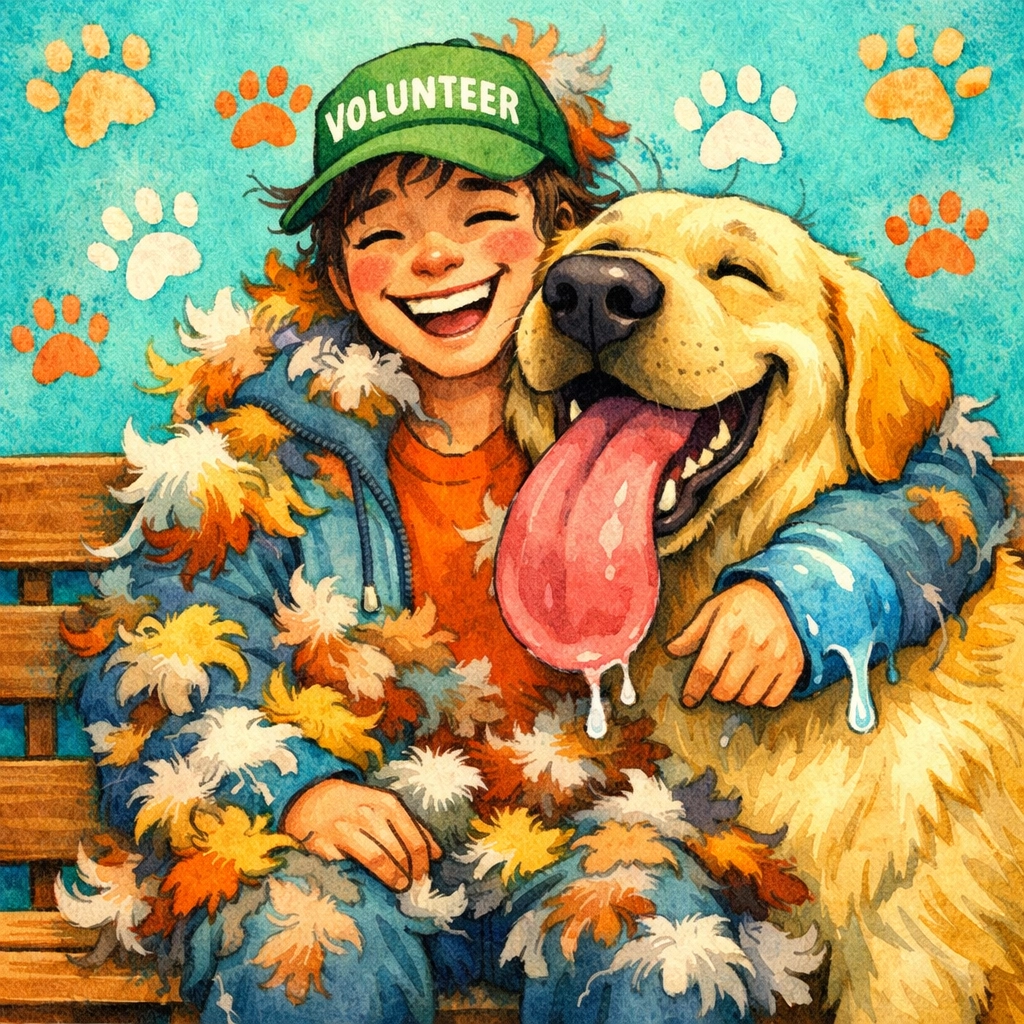
If you are the type of person who meticulously lint-rolls their clothes before leaving the house, we have bad news. By the time you finish a shift when you volunteer at animal shelter, you will be a walking ecosystem. You’ll have dog hair in your pockets, cat dander in your eyebrows, and a mysterious damp patch on your knee that you’ll pray is just slobber.
Professionalism at a rescue doesn’t look like a suit and tie; it looks like old cargo pants and a t-shirt you don’t mind losing to the "great puppy tooth incident of 2026." Fashion is secondary to survival.
2. The Application Process is Real
You might think you can just wander into Cactus Ranch Rescue, point at a dog, and say, “I shall walk him!” In reality, most shelters have a process that rival’s a security clearance for the CIA. You’ll likely need to fill out an application, attend an orientation, and maybe even pass a background check.
Why all the hoops? Because we care deeply about our residents. We need to make sure you know the difference between a "happy wag" and a "I’m about to eat your shoelaces wag." Reliability is the cornerstone of what we do, so the application is just the first step in showing us you're serious.
3. It’s an Emotional Rollercoaster
Brace yourself: your heart is going to get a workout. There will be days where you see a dog that has been with us for months finally find their forever home, and you’ll cry happy tears into a bucket of kibble. Then there will be days where a dog gets passed over again, or a senior pup arrives looking a bit worse for wear.
The "emotional rollercoaster" isn't a metaphor; it’s a daily scheduled activity. You’ll experience the "high" of a successful adoption and the "low" of saying goodbye to a furry friend you’ve grown to love. If you’re looking to join the conversation about how we handle these ups and downs, check out our community discussion group.
4. Age Requirements are a Thing
If you’re twelve years old and ready to wrestle a Great Dane, we love your spirit, but the lawyers might disagree. Most shelters require volunteers to be at least 16 or 18 years old to handle animals solo. Younger animal lovers can often help out, but they usually need a parent or guardian to act as their "handler" (which really means the parent does the heavy lifting while the kid gets the cuddles). Always check the specific age rules before you get your hopes up.
5. You’ll Become a Professional Poop-Scooper
When people say they want to volunteer at animal shelter, they usually envision themselves teaching a Border Collie how to solve calculus. In reality, about 70% of shelter work involves cleaning. There are kennels to scrub, laundry to fold (so much laundry), and "presents" to pick up from the play yard.
The animals can’t clean up after themselves: they don’t have thumbs, and frankly, they lack the motivation. Being a volunteer means being part of the "Clean Team." It’s not glamorous, but it’s the most vital role in keeping our rescues healthy and happy.

6. Commitment is Key
Dogs don’t have calendars, but they do have internal clocks. If they expect a walk at 10:00 AM, they will be staring at the door by 9:59 AM. Shelters rely on consistent schedules to keep the chaos organized.
When you sign up for a shift, the staff and the animals are counting on you. Flaking out because you stayed up late binge-watching "Dogs with Jobs" isn't just a bummer for us: it means a dog might miss their outdoor time. If you can only commit to two hours a week, that’s fine! Just make sure those two hours are non-negotiable.
7. You’ll Learn a New Language
No, not French. You’ll learn "Dog." You’ll start to recognize the subtle difference between an anxious ear flick and a relaxed one. You’ll learn how to approach a shy dog without looking like a terrifying giant. Shelters provide training on animal behavior because safety is the cornerstone of our operations. By the end of your first month, you’ll be the person at the dog park telling other owners, “Actually, his hackles are up because he’s overstimulated, not aggressive.” You’ll be a hit at parties. Probably.
8. Safety is the Top Priority
Animals in shelters are often stressed. They’ve been through a lot: abandonment, moves, or just the loud environment of a rescue. Even the sweetest dog can have a "nippy" moment if they’re scared.
As a volunteer, you’ll learn the safety protocols that keep both you and the animals out of the vet’s office. This includes things like "no-contact" rules for certain dogs or specific leash-handling techniques. Following these rules isn't about being bossy; it's about ensuring every interaction is a positive one for the pup.

9. There are Many Ways to Help
Not a "dog person"? (We won't tell). Or maybe you have a bad back and can't handle a pulling Husky? You can still volunteer at animal shelter! We always need help with:
Photography: Help our pups look their best for their Tinder profiles (otherwise known as adoption listings).
Social Media: Help us spread the word about our residents.
Events: We have constant adoption events, like our upcoming Petsmart Adoption Event on March 15th or the one on March 21st. We always need people to talk to the public and hand out flyers.
Admin: Organizing records and answering emails is just as important as walking the dogs.
10. You’ll Make a Tangible Difference
At the end of a long shift, when you’re covered in hair and your feet ache, you’ll look back at the kennel and see a dog sleeping soundly because you tired them out with a long walk. You’ll see a cat purring because you took twenty minutes to sit with them.
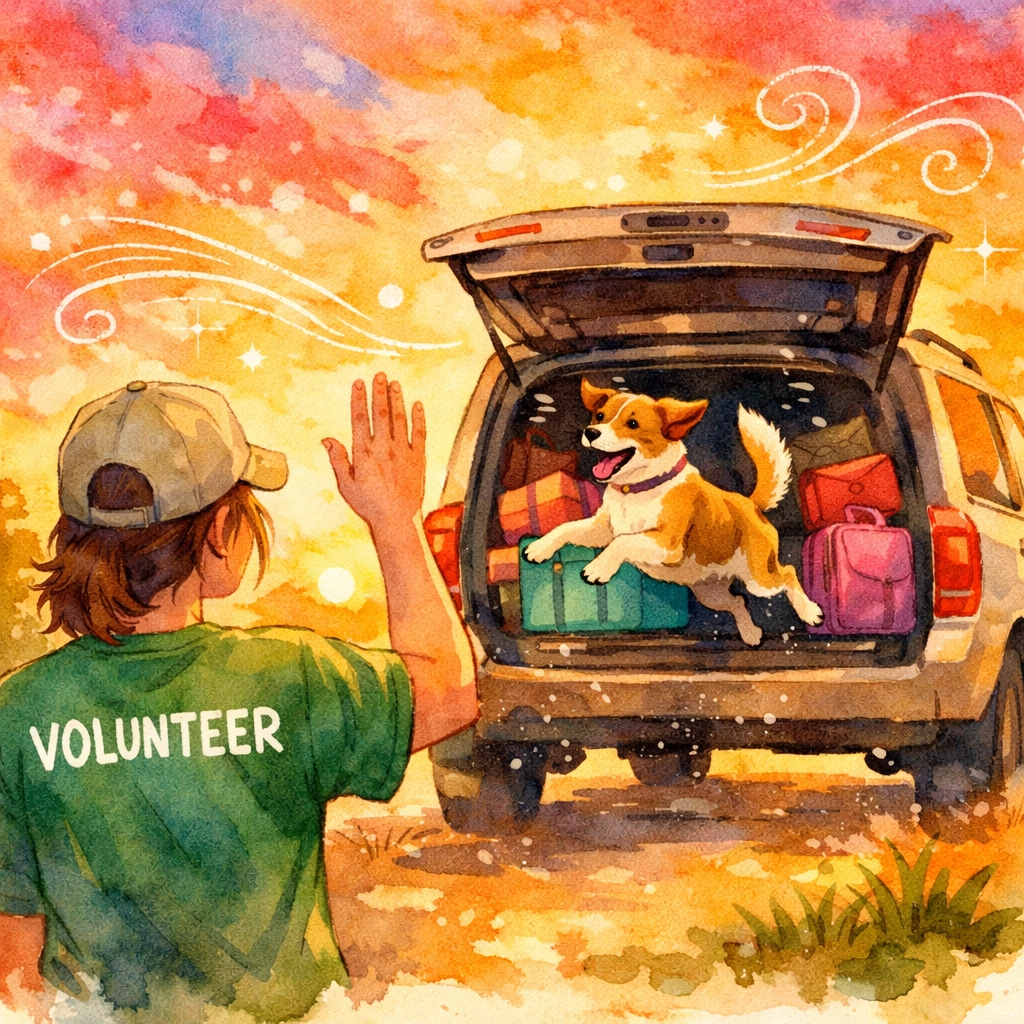
You aren't just "helping out"; you are providing the human connection that keeps these animals sane while they wait for their families. You are a bridge between their past life and their future home. There is no feeling quite like seeing a dog you’ve worked with finally get loaded into a car with their new family. It makes every scooped poop and every ruined t-shirt worth it.
Final Thoughts: Ready to Join the Ranch?
Volunteering at Cactus Ranch Rescue is a commitment to responsibility, compassion, and the enduring bond between humans and animals. It's work that requires a thick skin (to handle the scratches) and a soft heart (to handle the snuggles).
If you're ready to embrace the mess and the magic, we'd love to have you. You can start by checking out our discussion on volunteer roles to see where you might fit in.
The future of these animals depends on the community's involvement. By choosing to volunteer at animal shelter, you are advocating for those who cannot speak for themselves. You're helping us build a better future: one wagging tail at a time. See you at the Ranch!
Comments