

7 Mistakes You’re Making When You Find a Stray Dog (And How to Properly Volunteer at an Animal Shelter)
We’ve all been there. You’re driving down a dusty Texas backroad, minding your own business and singing along to the radio, when suddenly you see it: a pair of floppy ears or a wagging tail on the side of the road. Your heart skips a beat. Your "Hero Mode" activates. You pull over, ready to rescue this poor, abandoned soul and give them a life of luxury and premium kibble.
At Cactus Ranch Rescue, we love that energy. Truly, we do. The world needs more people who give a hoot about the four-legged wanderers of the world. However, there is a very fine line between being a canine's caped crusader and accidentally becoming a dog-napper or, worse, getting yourself bitten.
Navigating the world of stray animals is a cornerstone of animal welfare, but it requires more than just good intentions; it requires a strategy. If you’re looking for a dog rescue near me to drop off your new find, or if you’re wondering how to actually volunteer at animal shelter facilities without causing a chaotic scene, this guide is for you.
Here are the seven most common mistakes people make when they find a stray dog, and how you can channel that hero energy into something truly productive.
1. The "Disney Princess" Dash
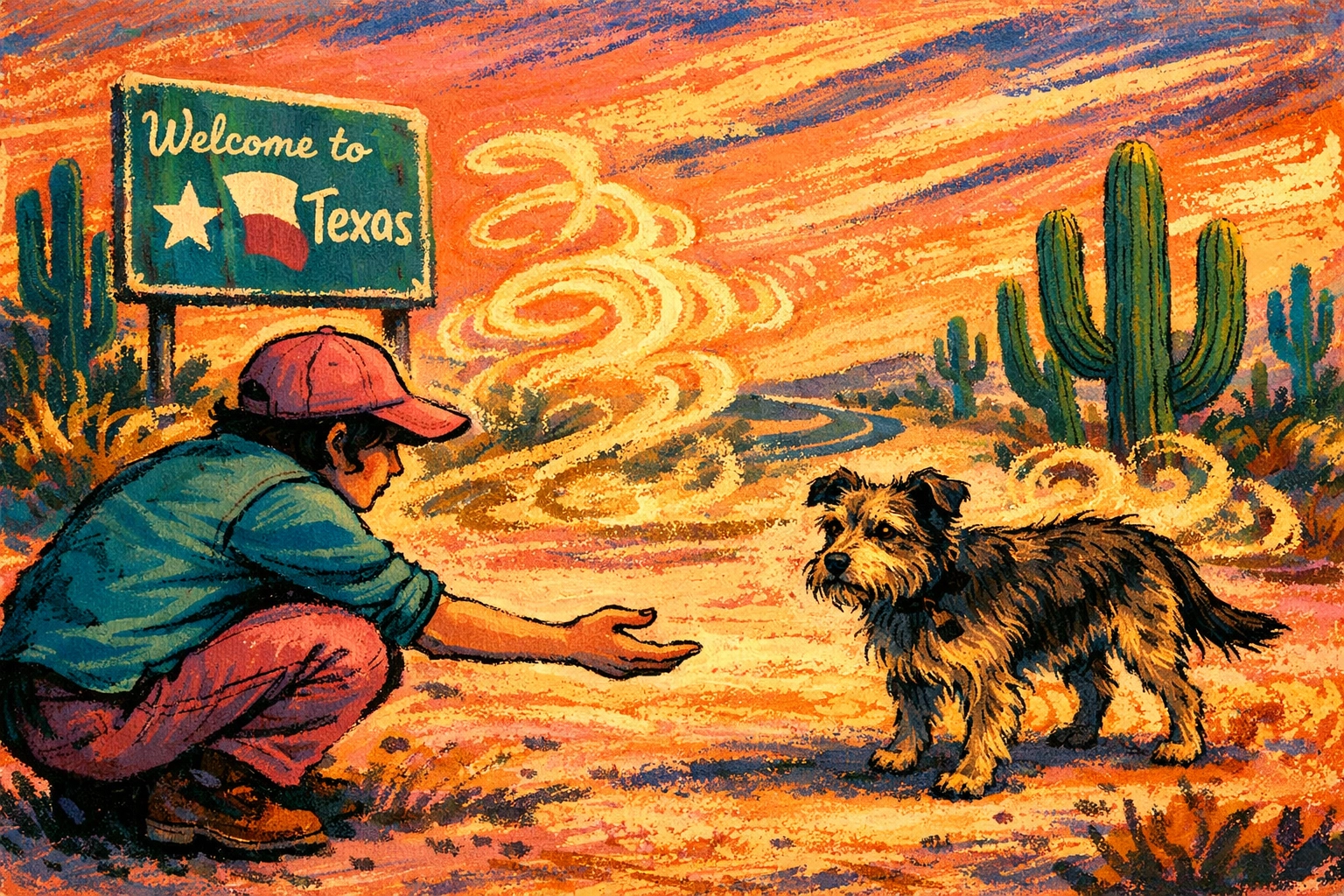
The biggest mistake people make is assuming every stray dog is a long-lost friend waiting for a hug. You see a dog, you yell "Hi Buddy!" and you run toward them with open arms.
In reality, a stray dog is often terrified, injured, or protective. When you rush toward a dog, they have two choices: fight or flight. If they choose "flight," they might run directly into traffic. If they choose "fight," you’re going to have a very bad afternoon.
The Fix: Stay calm. Stop your car safely, stay at a distance, and observe. Use a soft voice. If you have a leash or even a piece of rope, make a slip lead, but let the dog come to you. Avoid direct eye contact, which can be seen as a challenge in the dog world.
2. Playing "Junior Pharmacist" or "Chef de Cuisine"
It is incredibly tempting to offer a stray dog whatever is in your car. A leftover taco? A piece of chocolate? Some random pills you think might help their limp? Stop right there.
Giving a stray dog unknown food can lead to severe gastrointestinal distress (which is the last thing a rescue wants to deal with in a cramped van). More importantly, never, ever give human medication to a dog. Even basic stuff like Ibuprofen is toxic to them.
The Fix: If you must offer food to lure them, stick to plain, unseasoned meat or specialized dog treats if you happen to be a prepared hero. Water is generally safe, but don't force them to drink. If the dog looks sick, your best bet is to get them to a professional, not to raid your own medicine cabinet.
3. The "Lone Ranger" Complex
We get it, you want to save the day all by yourself. But trying to hoist a 70-pound, muddy, potentially aggressive German Shepherd into the backseat of your pristine sedan alone is a recipe for disaster. You could hurt your back, the dog could get injured further, or the dog could panic once the doors are locked.
The Fix: Call for backup. Whether it’s local animal control, a friend with a crate, or a local rescue group, having an extra set of hands makes the process safer for everyone. If you’re looking to get more involved in these types of organized rescues, learning how to volunteer at animal shelter events is a great way to gain the skills needed for safe handling. We often have teams at our Zoi's PetSmart Adoption Events who can share tips on safe transport.
4. The "Vague Vlogger" Social Media Post
You find a dog, take one blurry photo of its rear end, and post on Facebook: "Found dog near the big tree. Hope he finds his home!" and then you drive away.
This helps exactly no one. "Near the big tree" is not a location. "Found dog" without a breed, size, or gender description doesn't help an owner who is frantically searching.
The Fix: Be a reporter. Take clear photos of the dog’s face and any unique markings. Note the exact cross-streets or GPS coordinates. Post to local "Lost and Found" groups, Nextdoor, and PawBoost. Mention if the dog has a collar, but, pro tip, don't describe the collar in the post. Make the "owner" describe it to you to prove the dog is actually theirs.

5. The "Finders Keepers" Fallacy
This is the most common mistake and the one that causes the most heartbreak. You find a dog that looks a little skinny or has a few fleas, and you immediately decide, "Well, clearly their owners are monsters, so I’m keeping him. His name is now Barnaby."
Wait a minute, Sparky.
A dog can look rough after just 48 hours on the streets. They might have escaped during a thunderstorm, or their owner might be an elderly person who can't get out to look for them. Just because a dog is outside doesn't mean they aren't loved.
The Fix: You must check for a microchip. Any vet or shelter will do this for free. You must also report the found dog to the local municipal shelter. In many jurisdictions, it is legally required to hold a stray for a certain period (the "stray hold") before they can be rehomed. Keeping a dog without trying to find the owner is, technically, theft.
6. Ignoring the "Well-Groomed" Strays
Sometimes people see a dog that looks clean and well-fed and think, "Oh, he knows where he's going," and they keep driving.
While some "community dogs" (especially in rural areas) do wander, a dog in the middle of a busy suburb or near a highway is in danger regardless of how shiny their coat is. Even the smartest dog doesn't understand the concept of a semi-truck.
The Fix: If a dog is roaming near a dangerous road, it’s worth stopping or at least calling it in. A well-groomed dog is actually more likely to be a lost pet that someone is currently crying over.
7. The "Hero Burnout" (And How to Actually Help)
The final mistake is thinking that the only way to help is by personally rescuing every stray you see. This leads to what we call "Rescue Burnout." You end up with six dogs in your apartment, a maxed-out credit card, and a neighbor who is definitely calling the HOA.
The Fix: Channel that compassion into the system. Instead of being a one-person rescue operation, volunteer at animal shelter organizations or rescues like ours. By working with an established group, you provide the "preventive" care and "rehabilitation" that forms the "cornerstone" of a healthy community.

How to Properly Channel Your "Hero Energy"
If you’ve realized that you have a massive heart but maybe shouldn’t be grabbing every dog off the street, it’s time to look for a dog rescue near me. Volunteering is the most effective way to help the most animals at once.
When you volunteer at animal shelter facilities or with a group like Cactus Ranch Rescue, you aren't just walking dogs (though there is a lot of that, and your fitbit will love you for it). You are:
Helping with "advancements" in pet adoption by socializing shy dogs.
Assisting at events, like our upcoming adoption events in March or April.
Learning the "essential nature" of canine behavior so you can safely rescue a stray next time.
Fostering, which is the ultimate "vital role" in the rescue world.
By joining a community of like-minded individuals, you move from being a solo actor to part of a movement. Our collective responsibility is to ensure that every dog has a chance at a "better future." Whether you’re helping out at a holiday fundraiser or just helping us transport dogs to a Saturday event, your contribution is the bond that holds our mission together.
Summary: From Chaos to Compassion
Finding a stray dog is an emotional rollercoaster. It’s a mix of adrenaline, pity, and the urge to be a hero. By avoiding these seven common mistakes: rushing the dog, feeding them junk, acting alone, being vague on social media, skipping the chip check, ignoring the "pretty" dogs, and burning yourself out: you ensure the best possible outcome for the animal.
Remember, the goal isn't just to "get the dog off the street." The goal is to get the dog home or into a safe, sustainable rescue environment.
If you’re ready to take the next step and turn your love for animals into action, we invite you to reach out. We are always looking for people who are serious about the "importance" of animal welfare. Start by posting your thoughts on our social pages or come see us at one of our many adoption events. Together, we can make sure no dog is left wandering the Texas heat alone.
Comments