

7 Mistakes You’re Making with the First 72 Hours of Dog Adoption (and How to Fix Them)
So, you finally did it. You spent weeks scouring the internet for dogs for adoption, visited every dog adoption near me search result in a fifty-mile radius, and you finally found "The One." You’ve got the leash, the premium kibble, and a camera roll already full of sleeping puppy photos. You’re ready to live out your Disney-movie montage of frolicking through meadows, right?
Well, hold your horses (or hounds).
The first 72 hours of bringing home a rescue dog are often less "Cinderella" and more "The Hangover." Your new best friend is likely confused, potentially terrified, and definitely wondering why this stranger is trying to hug them. At Cactus Ranch Rescue, we’ve seen it all. We know that your heart is in the right place, but sometimes our human ways of showing love are basically the equivalent of a doggy panic attack.
To help you survive the transition, we’re breaking down the 3-3-3 Rule and the seven most common mistakes new pet parents make during those critical first three days.
What is the 3-3-3 Rule?
Before we dive into the mistakes, let’s talk about the golden rule of rescue: The 3-3-3 Rule. It’s the standard timeline for how long it takes a dog to adjust:
3 Days: The "Decompression" phase. The dog is overwhelmed and may shut down or hide.
3 Weeks: The "Routine" phase. They start to feel comfortable and their true personality (and quirks) begins to emerge.
3 Months: The "Building Trust" phase. They finally realize they are home and start to bond deeply with you.
Most people mess up in the first three days. Here is how to avoid being one of them.
1. Throwing a "Welcome Home" Party
We get it. You’re excited. You want your mom, your best friend, and your neighbor’s cousin to meet the new fluffball. You might even be tempted to take them straight to the pet store to pick out a collar.
The Mistake: Overwhelming your dog with too many people and new environments right away. To a dog who just left a shelter environment, a "party" feels like a home invasion.
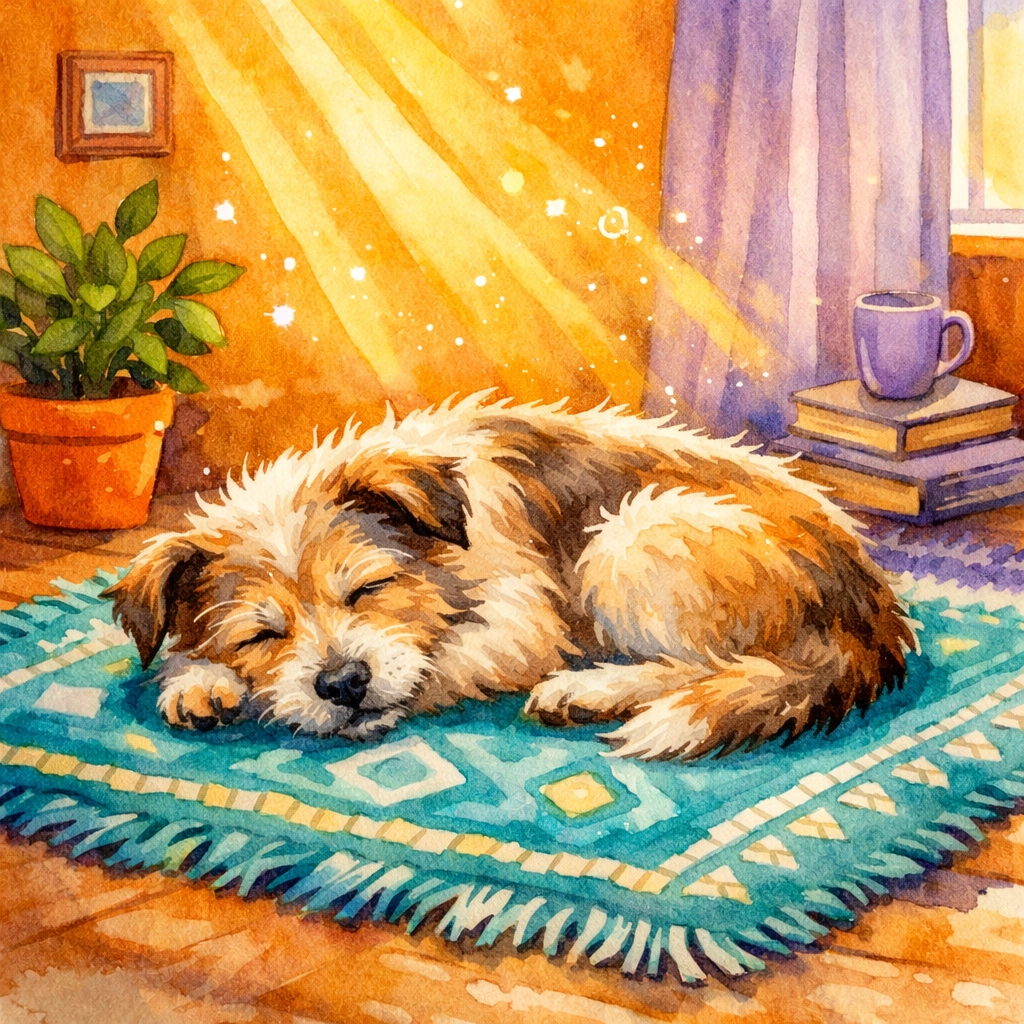
The Fix: Give them space. For the first 72 hours, keep the guest list to "Immediate Family Only." No trips to PetSmart, no dog parks, and definitely no neighborhood block parties. Let your dog sniff the grass, explore their designated room, and sleep. Decompression is a quiet activity.
2. Skipping the "First Date" Vet Visit
A lot of people think that because a dog comes from a rescue, they are "all set" on medical stuff. While we at Cactus Ranch Rescue do our absolute best to ensure every pup is healthy, the stress of moving can trigger dormant issues like kennel cough or tummy troubles.
The Mistake: Waiting until the dog looks "sick" to schedule a checkup.
The Fix: Make an appointment within the first 72 hours. A quick wellness check helps establish a baseline with your local vet and ensures no parasites have hitched a ride into your home. Plus, your vet can give you professional advice on nutrition and transition anxiety. If you’re still looking to adopt a dog, it’s a good idea to have a vet picked out before you even bring them home.
3. Being a "Velcro" Human
You want to show them they are loved, so you stay by their side 24/7. You take a week off work, you sleep on the floor next to their crate, and you follow them into every room.
The Mistake: Failing to practice separation. If you spend every second with your dog for three days and then suddenly leave for an eight-hour workday on Monday, you are setting them up for a separation anxiety meltdown.
The Fix: Start "alone time" on Day One. Leave the room for 20 minutes. Go get the mail. Sit in your car and listen to a podcast for an hour. Use a crate or a sturdy playpen to keep them safe. You want them to learn that when you leave, you always come back. This builds confidence, not dependency. You can read more about building these healthy habits on our discussion boards.
4. The "Honey-Moon" Hall Pass
"Oh, poor Fido had such a hard life, it’s okay if he jumps on the counter just this once."
The Mistake: Letting bad habits slide because you feel sorry for them. Dogs don't understand "pity." They understand "structure." If you let them sleep in your bed the first night but plan on making them sleep on the floor later, you’re just going to confuse them.
The Fix: Enforce house rules from the second they walk through the door. If they aren’t allowed on the couch in your long-term vision, don't let them on the couch now. Consistency is the kindest thing you can provide a rescue dog. It makes the world predictable and safe.

5. Toy and Treat Overload
You bought the 20-pack of squeaky squirrels and three different types of organic bison jerky. You want to spoil them!
The Mistake: Giving too many "high-value" items too fast. This can lead to resource guarding (where the dog gets grumpy if you try to take something away) or, more commonly, a very upset stomach. Shelter dogs are used to a very specific, boring routine. A sudden influx of rich treats is a recipe for a carpet-cleaning bill.
The Fix: Keep it simple. Stick to one type of high-quality food and limit treats to training rewards only. Introduce toys slowly: one at a time: so they don't get overwhelmed. Remember, the best "treat" you can give them right now is your calm presence and a predictable schedule. If you want to help us provide these basics for dogs still waiting for homes, consider donating here.
6. The "Free Range" Fiasco
You want your new dog to feel at home, so you open all the doors and let them roam the whole 2,500-square-foot house.
The Mistake: Giving too much freedom too soon. A large, unfamiliar house is intimidating. It also provides too many places for "accidents" to happen or for your favorite pair of shoes to be chewed into oblivion.
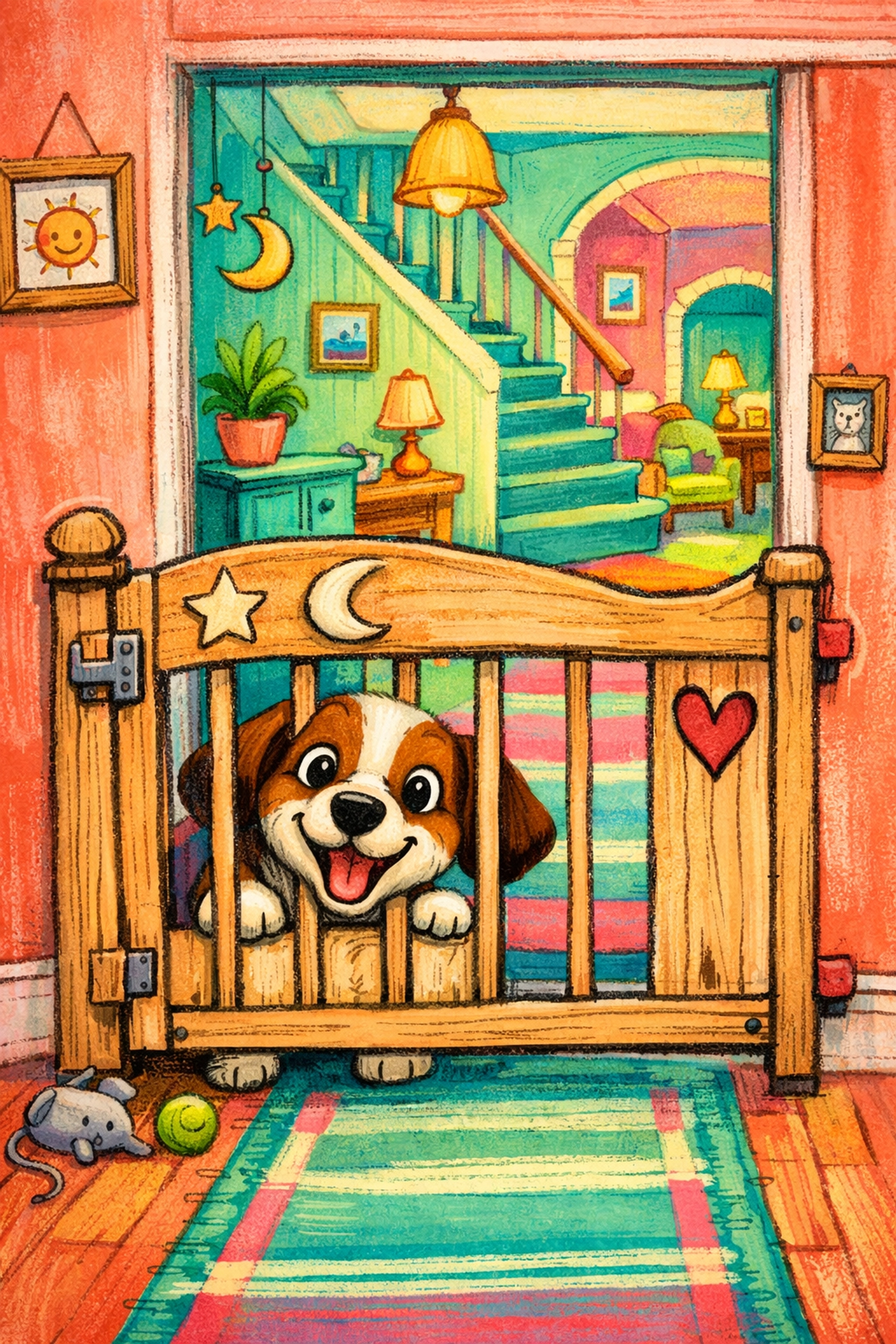
The Fix: Use the "Two-Room Rule." Keep the dog restricted to one or two rooms where you can supervise them closely. Use baby gates or crates. As they prove they are potty trained and comfortable, you can slowly "unlock" new levels of the house like a video game. This prevents them from feeling lost and helps them understand where their "den" is.

7. Roughhousing and "Alpha" Games
You want to play! You start wrestling on the floor, or maybe you try to pick them up like a baby to show them affection.
The Mistake: Forcing physical interaction or engaging in high-arousal play. Many rescue dogs have unknown histories. A hand moving quickly toward their head might look like a threat, not a pet. Wrestling can trigger a "fight or flight" response in a dog that doesn't trust you yet.
The Fix: Keep things low-key. Use "low and slow" movements. Let the dog come to you for pets. Avoid hugging or "face-to-face" contact for the first few days. Instead of wrestling, try a calm game of "find the treat" on the floor. This builds a positive association with your presence without the adrenaline spike.
Why the First 72 Hours Matter
When you search for dogs for adoption, you’re looking for a companion, a partner, and a family member. But a family isn't built in a weekend. The first 72 hours are the foundation of your entire future relationship. If you spend those three days being a calm, boring, and predictable leader, your dog will learn that they can relax.
Once they realize they don't have to be on "high alert" anymore, that’s when the magic happens. That’s when you’ll see the tail wags, the "zoomies," and the soulful stares that make all the effort worth it.
If you’re ready to start your journey and want to adopt a dog that fits your lifestyle, check out our about page to learn more about our mission or take a look at our event list to see when our next adoption day is happening.
A Better Future Together
Adopting a dog is a massive responsibility, but it’s also one of the most rewarding things you’ll ever do. By respecting the 3-3-3 rule and avoiding these common pitfalls, you aren't just giving a dog a house: you’re giving them a home.
The transition period can be messy, loud, and occasionally involve a chewed-up remote control, but stay the course. We promise that in three months, you’ll look back at these first 72 hours and laugh at how far you’ve both come.
Welcome to the Cactus Ranch Rescue family. Now, go give your dog a (very calm) pat on the head and let them take a nap. They've earned it!
Comments