

He’s Not a Monster, He’s Just Spicy: A Guide to Understanding Reactive Dogs
Updated: Mar 16
So, you’re walking down the street with your four-legged friend, enjoying the sunshine, when suddenly a squirrel, or worse, another dog, appears three blocks away. Before you can even say “sit,” your sweet, cuddly companion has transformed into a lunging, barking, spinning whirlwind of chaos. Passersby pull their children closer. Other dog owners give you "the look." You feel like you’re walking a literal Cujo.
Welcome to the world of the "Spicy Dog."
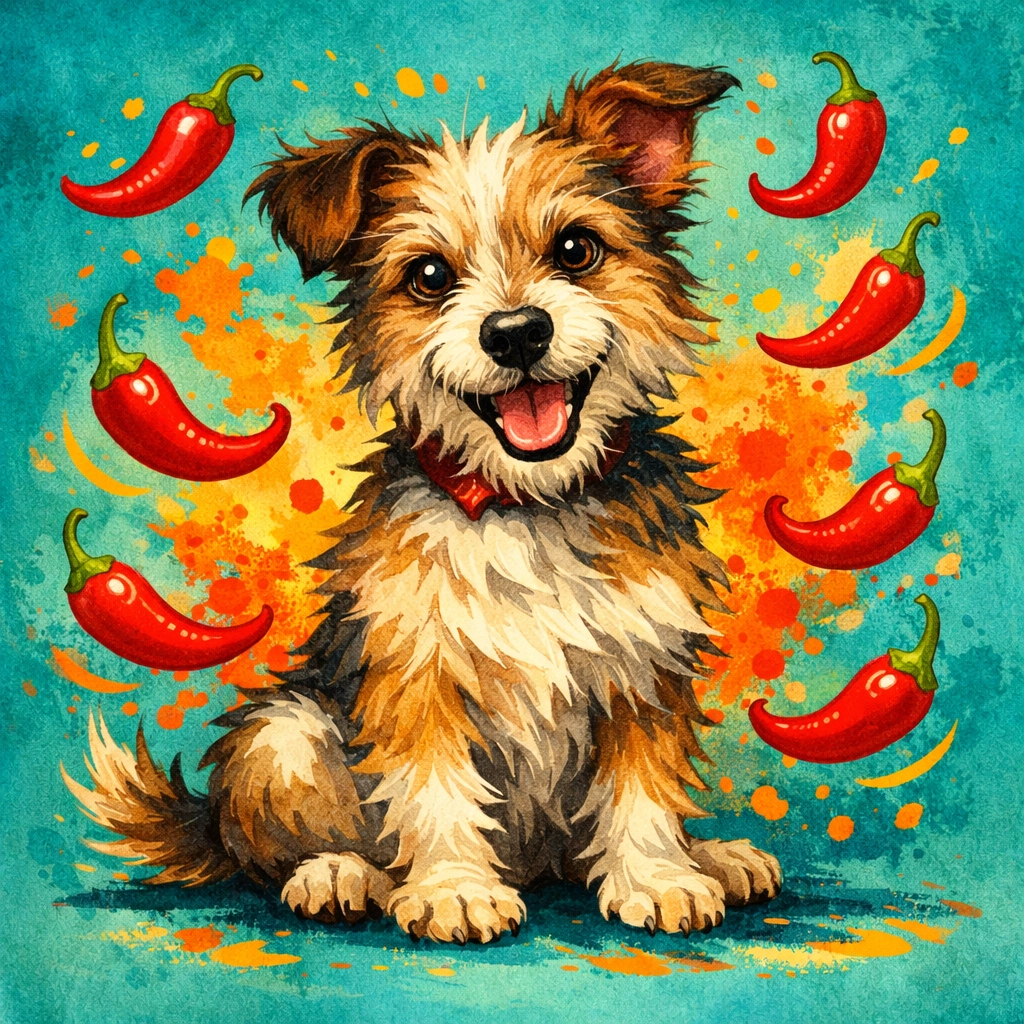
At Cactus Ranch Rescue, we see these "spicy" characters all the time. They are often the ones passed over in shelters because their kennel presence is, shall we say, a bit theatrical. But here’s the secret: he’s not a monster. He’s just reactive. Understanding the difference between a dog that is truly aggressive and one that is simply "spicy" is the first step toward a much quieter walk and a much happier life.
What Does "Spicy" Actually Mean? (Reactivity vs. Aggression)
In the dog world, "reactivity" is often used interchangeably with "aggression," but they aren't the same thing. Think of it like this: Aggression is a desire to cause harm. Reactivity is an overreaction to a situation.
Imagine you’re at a movie theater and someone accidentally bumps your chair. If you turn around and try to start a fistfight, that’s aggression. If you jump three feet in the air and spill your popcorn because you were already on edge from a jump-scare, that’s reactivity.
Reactive dogs are essentially "over-responders." They see a stimulus, a bicycle, a mailman, a golden retriever, and their brain goes into a full-system meltdown. This is usually rooted in fear, frustration, or just being plain overwhelmed. They aren't trying to be "bad"; they just don't know how to handle their big feelings.
The Menu of Spices: Types of Reactivity
Not all spicy dogs react to the same things. Much like how some people hate cilantro while others think it’s the greatest herb on earth, dogs have specific triggers.
Leash Reactivity: This is the most common. A dog might be a total angel at the dog park but turns into a nightmare the second you clip on a leash. The leash prevents them from using their natural "flight" instinct, so they double down on "fight" (or at least looking like they want to fight).
Territorial Reactivity: This is the classic "Get off my lawn!" behavior. If your dog loses their mind when the Amazon driver approaches, they are likely protecting their castle.
Barrier Reactivity: Similar to territorial, this happens when a dog is behind a fence or a window. They can see the "threat" but can’t reach it, leading to extreme frustration-barking.
Resource Guarding: This is the "Don't touch my stuff" spice. It could be food, a favorite squeaky toy, or even a specific spot on the couch.
Decoding the Secret Language of the Spicy Dog
Before a dog goes full "Cujo," they usually send out a series of polite memos that humans often ignore. If we can catch these early warning signs, we can prevent the explosion.
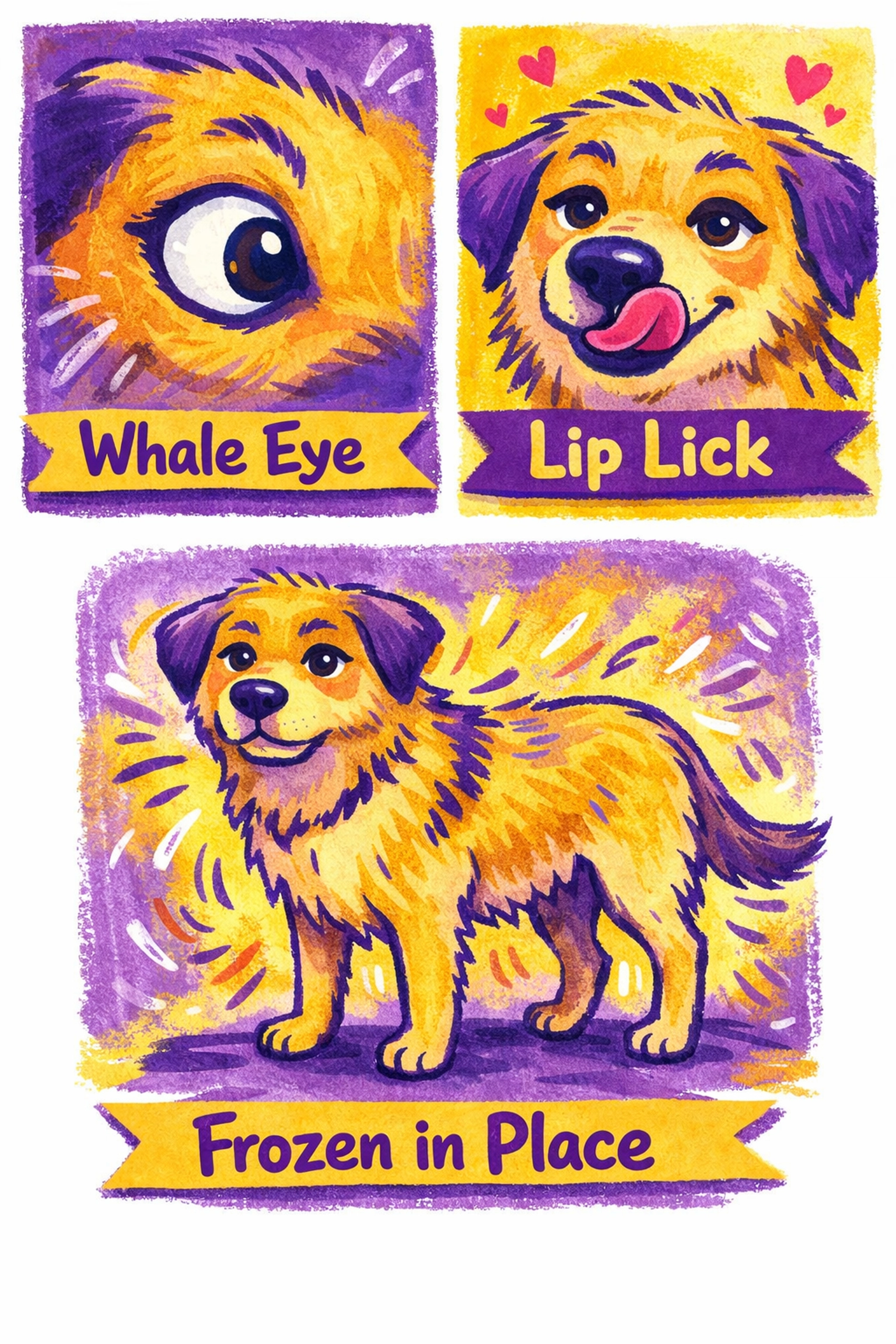
The Whale Eye: This is when you can see the whites of the dog's eyes. It means they are stressed and hyper-vigilant.
The Stiff Statue: If your dog suddenly freezes and becomes as rigid as a board while staring at something, an explosion is imminent.
The Lip Lick and Yawn: No, they aren't hungry or tired. In dog language, these are "calming signals" used when they feel uncomfortable.
The Hackles: When the hair on their back stands up (piloerection), it’s an involuntary physical response to arousal, think of it like goosebumps, but for a dog who’s ready to rumble.
When you adopt a dog that shows these signs, you aren't adopting a broken animal. You're adopting an animal that just needs a little more translation.
The "Spicy Dog" Survival Guide: Management and Games
Living with a reactive dog doesn't mean you have to live in a bunker. It just means you need a toolkit. If you’re looking for a dog rescue near me to find your next companion, don't let a little reactivity scare you off. Here’s how we manage the spice:
1. The "Find It" Game
This is a game-changer. When you see a trigger approaching (say, a jogger in neon spandex), immediately say "Find it!" and scatter a handful of high-value treats (think chicken or cheese) on the ground. This forces the dog to put their nose down and engage their brain in a "seeking" task rather than staring at the jogger. It’s hard to bark at a stranger when you’re busy snorting up cheddar.
2. Counterconditioning (The "Trigger = Party" Rule)
The goal is to change the dog's emotional response. If every time they see another dog, they get a piece of roast beef, eventually, their brain goes from "Oh no, a dog!" to "Oh boy, a dog! Where’s my beef?"
3. Environmental Management
Sometimes, you just need to avoid the drama. This means taking walks at odd hours, using a "privacy film" on your front windows so they can’t see the mailman, or choosing the quiet corner of the park. It’s not "giving up"; it’s setting your dog up for success.
Why Reactive Dogs are Actually the Best
You might be thinking, "Penny, this sounds like a lot of work. Why would I want a spicy dog?"
First of all, reactive dogs are often some of the smartest, most sensitive creatures you will ever meet. Because they are so hyper-aware of their surroundings, they are incredibly bonded to their owners. They look to you for guidance and safety. When you finally break through that reactivity and have a calm walk, the sense of accomplishment is better than any runner's high.
For college kids looking for a companion, a reactive dog can be a great reason to get outside and learn about animal behavior: though maybe skip the crowded quad. For families, it’s a great lesson in empathy and patience for the kids. And for older people, a "spicy" dog who just needs a quiet yard and a dedicated person can be the most loyal friend you've ever had.
How You Can Help (Without Even Adopting!)
If your house is currently full but you still want to help these misunderstood pups, you can always foster a dog. Fostering gives a reactive dog a break from the stressful shelter environment, which is often the biggest trigger of all. In a home, their true personality can finally shine through the spice.
We also have plenty of opportunities to meet our residents and see that "reactive" doesn't mean "unlovable." Check out our upcoming adoption events:
Final Thoughts: Empathy Over Judgment
The next time you see someone struggling with a lunging, barking dog on the sidewalk, don't judge. They aren't a bad owner, and that isn't a bad dog. They are likely a very dedicated person working hard to help a "spicy" friend navigate a world that feels a little too loud and a little too scary.
At Cactus Ranch Rescue, we believe every dog deserves a chance, regardless of how many "scary dog noises" they make when they’re stressed. A little bit of training, a lot of cheese, and a heap of patience can turn a "monster" into a misunderstood best friend.
Ready to add a little spice to your life? Come visit us or browse our blog for more tips on living with your rescue pups!
Comments