

The New Parent’s Guide to Surviving the First 72 Hours of Your ‘Adopt a Dog’ Journey
So, you did it. You spent six weeks doomscrolling through every dog adoption near me search result until your thumb developed a repetitive strain injury. You looked at three hundred different sets of puppy dog eyes, read bios that promised “loves long walks and tax evasion,” and finally pulled the trigger. You’ve officially decided to adopt a dog.
Congratulations! You are now the proud parent of a sentient shadow that likely has no idea who you are, where they are, or why you’re staring at them with such desperate, teary-eyed affection.
The first 72 hours of bringing a rescue dog home are a wild ride. It’s a mix of pure adrenaline, intense joy, and that distinct "What have I done?" feeling that usually hits around 3:00 AM when you realize your new roommate snores louder than a freight train. Whether you’re a college student trying to balance a Border Collie and Bio-Chem, a family of five with a toddler who thinks the dog is a horse, or a retiree looking for a quiet companion who ended up with a Husky, this guide is for you.
The 3-3-3 Rule: A Survival Guide for the Impatient
Before we dive into the nitty-gritty of the first three days, let’s talk about the "3-3-3 Rule." In the rescue world, this is our holy grail. It’s the timeline of how a dog settles in, and understanding it will save you from a lot of unnecessary Googling at midnight.
3 Days: Your dog is overwhelmed. They are in "shutdown" mode. They might not eat, they might hide, and they definitely don’t know the rules yet.
3 Weeks: They’re starting to feel comfortable. This is usually when they start testing boundaries (e.g., "What happens if I eat this remote?") and showing their true personality.
3 Months: They finally realize they’re home. The bond is set. You can finally stop sleeping with one eye open.
Right now, you’re in the "3 Days" trenches. Here is how to survive without losing your mind, or your security deposit.

Hour 1: The "Welcome Home" (Or "Welcome to the Potty Spot")
When you pull into your driveway, your first instinct is going to be to carry your new best friend over the threshold like a bride and then throw a 20-person "Welcome Home" party with confetti and loud music.
Don't do that.
The very first thing your dog should do is hit the designated bathroom spot. Even if they went five minutes ago at Cactus Ranch Rescue, take them to the spot in your yard or on the sidewalk where you want them to do their business. When they go, celebrate like they just won an Olympic gold medal. Give them the "Good Potty!" talk.
This isn't just about hygiene; it’s about establishing the first rule of the house: We pee here, not on the Persian rug.
Hours 2-12: The Decompression Chamber
Imagine you’ve been kidnapped by friendly aliens who speak a language you don’t understand, take you to a house filled with weird smells, and then expect you to be "cuddly." You’d be a little stressed, too.
For the first few hours, keep the house quiet. This is especially important for families with kids. We know the kids want to hug the dog. We know they want to dress the dog up as a pirate. But for the first 72 hours, the dog needs space.
Pro-Tip: Limit your dog’s access to one or two rooms. Opening up the whole house is like giving a toddler the keys to the Louvre, it’s too much to process, and something is definitely going to get broken. Use baby gates or keep doors closed.
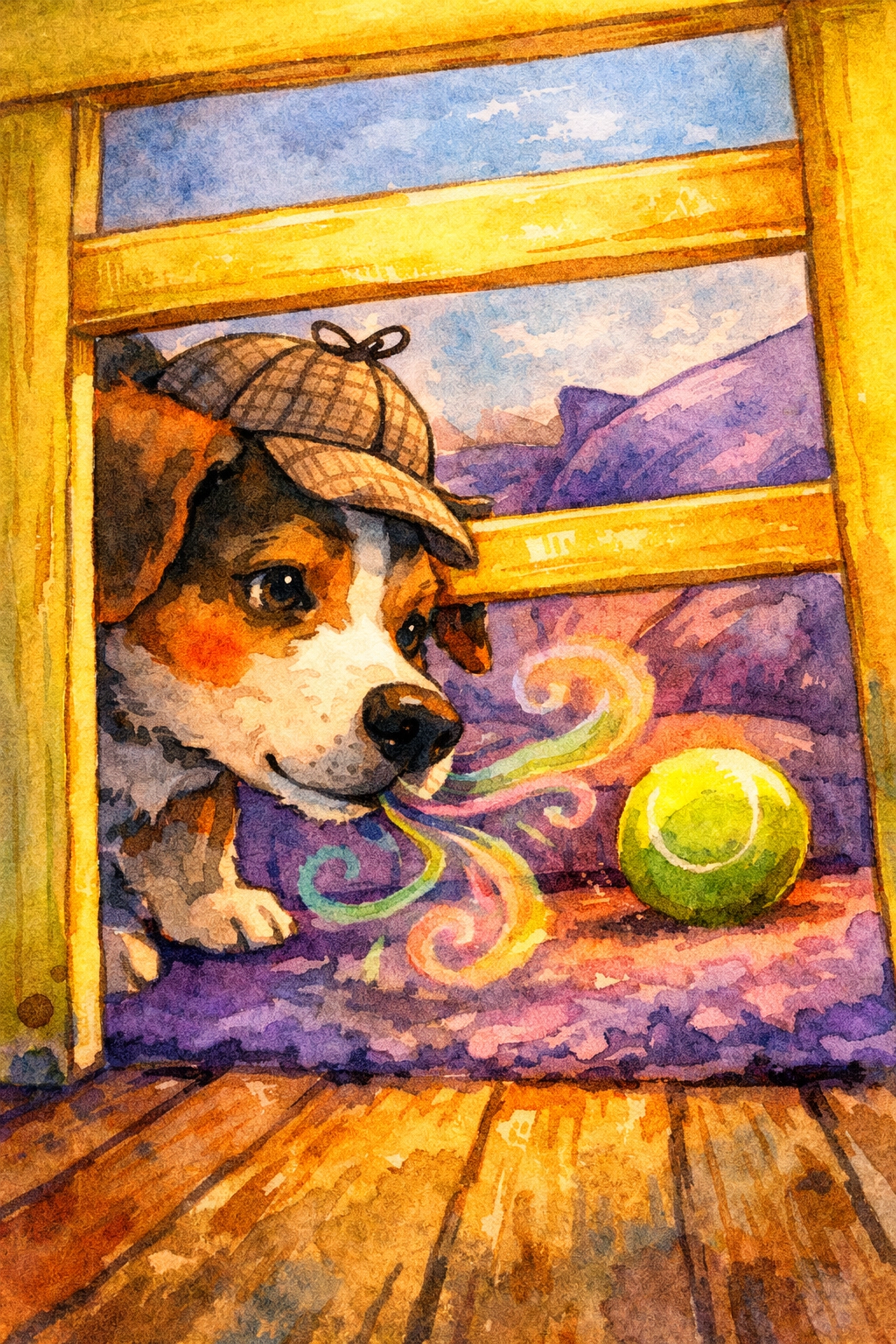
Setting Boundaries (Before They Own Your Soul)
One of the biggest mistakes new pet parents make when they adopt a dog is letting the dog do whatever they want because "they’ve had a hard life." Look, we get it. We’ve seen their rescue stories. But if you don’t want a 70-pound Lab on your dining room table in six months, don't let them on the dining room table today.
The Crate is Great: Contrary to what some people think, a crate isn't a jail; it’s a dog’s bedroom. It’s their safe space where they can go when the kids are too loud or the vacuum cleaner starts its reign of terror. Put a comfy bed in there, toss in a treat, and leave the door open.
Leash Up: For the first 72 hours, many trainers recommend keeping the dog on a leash even inside the house. It sounds crazy, but it prevents them from wandering off to find a "secret" bathroom spot in the guest room and helps you guide them away from forbidden zones (like the cat’s litter box, the forbidden snack bar).
Night One: The Sound of Music (The Whining Version)
Night one is the ultimate test. Your dog is in a new place, the lights go out, and suddenly they realize they are alone. Whether you’re a college kid in a studio apartment or a family in the suburbs, the first night usually involves some degree of crying.
If you’re using a crate, try putting it in your bedroom so they can hear your breathing and smell your presence. It helps them feel less abandoned. If they whine, give them a firm "No," but try to avoid the "pity party." If you rush over and give them treats every time they cry, you are effectively training them to be a world-class opera singer.
Day 2: The Routine Revolution
By Day 2, the "new car smell" of pet adoption has started to wear off, and the reality of "I have to walk this thing at 6:00 AM" has set in.
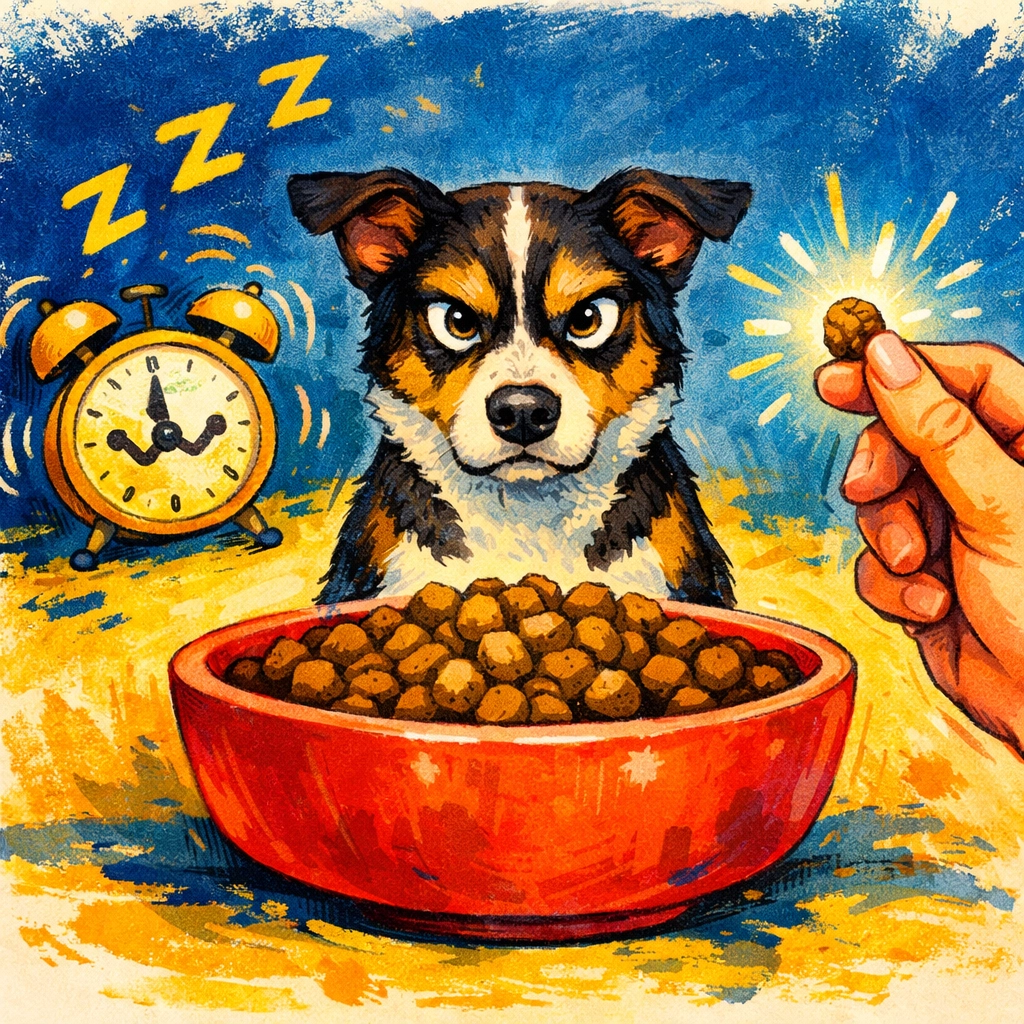
Dogs crave routine. They want to know exactly when they are eating, when they are walking, and when they are napping.
Morning: Potty, walk, breakfast.
Mid-day: Potty, maybe a quick training session with some kibble.
Evening: Potty, dinner, play, final potty, bedtime.
Stick to this schedule like it’s a legally binding contract. If you’re looking for more tips on how to build a bond through routine, check out our discussion group.
Day 3: The "Real" Dog Emerges
By the third day, your dog’s nervous system is starting to settle. This is usually when you see their personality: and their "spice": start to come out. They might bark at the mailman for the first time. They might realize that the squeaky toy you bought is actually a mortal enemy that must be destroyed.
This is the day you might start feeling the "post-adoption blues." You’re tired, your house smells slightly more like wet fur than it used to, and you realized that "leash trained" actually meant "pulls like a husky on a sled team."
Hang in there.
You’re still in the transition phase. If you’re feeling overwhelmed, remember that every great dog owner has been where you are. You can always browse our blog for more specific breed advice or success stories to remind you why you did this in the first place.
A Note for Our Different "Parents"
For the College Kids: We know you're trying to be the "cool house" with the dog, but keep the frat parties at bay for a while. Your dog needs a library vibe, not a stadium vibe, for the first few weeks.
For the Families: Supervise, supervise, supervise. Even the gentlest dog can get nippy if a toddler tries to ride them like a pony. Teach the kids "the statues game": if the dog is in their bed, the kids become statues and don't touch them.
For the Seniors: If you’ve adopted a "chill" older dog who turned out to have "zoomies" at 10 PM, don't panic. They’re just happy! Enjoy the energy and use those event pages to find low-impact socialization opportunities later on.

Conclusion: The Beginning of a Beautiful Friendship
Surviving the first 72 hours of your adopt a dog journey isn't about being a perfect trainer; it’s about being a consistent leader and a patient friend. You’re building a foundation of trust that will last for the next decade or more.
There will be accidents. There will be chewed shoes. There will be moments where you wonder if you should have just gotten a pet rock. But then, your dog will sigh, rest their head on your knee, and look at you like you’re the most important person in the universe: because to them, you are.
If you haven't started your journey yet and are still looking for a dog adoption near me, come visit us at Cactus Ranch Rescue. We have plenty of "bodyguards" and "spicy" friends waiting for their forever couches. And if you’ve already adopted and want to help us save more lives, consider making a donation. Every little bit helps us keep the ranch running and the tails wagging.
Welcome to the club, New Parent. Now, go take that dog outside: it looks like they’re about to sniff that rug again.
Comments